
Noticing on the landscape
Sunday Blackberries & Pigeons

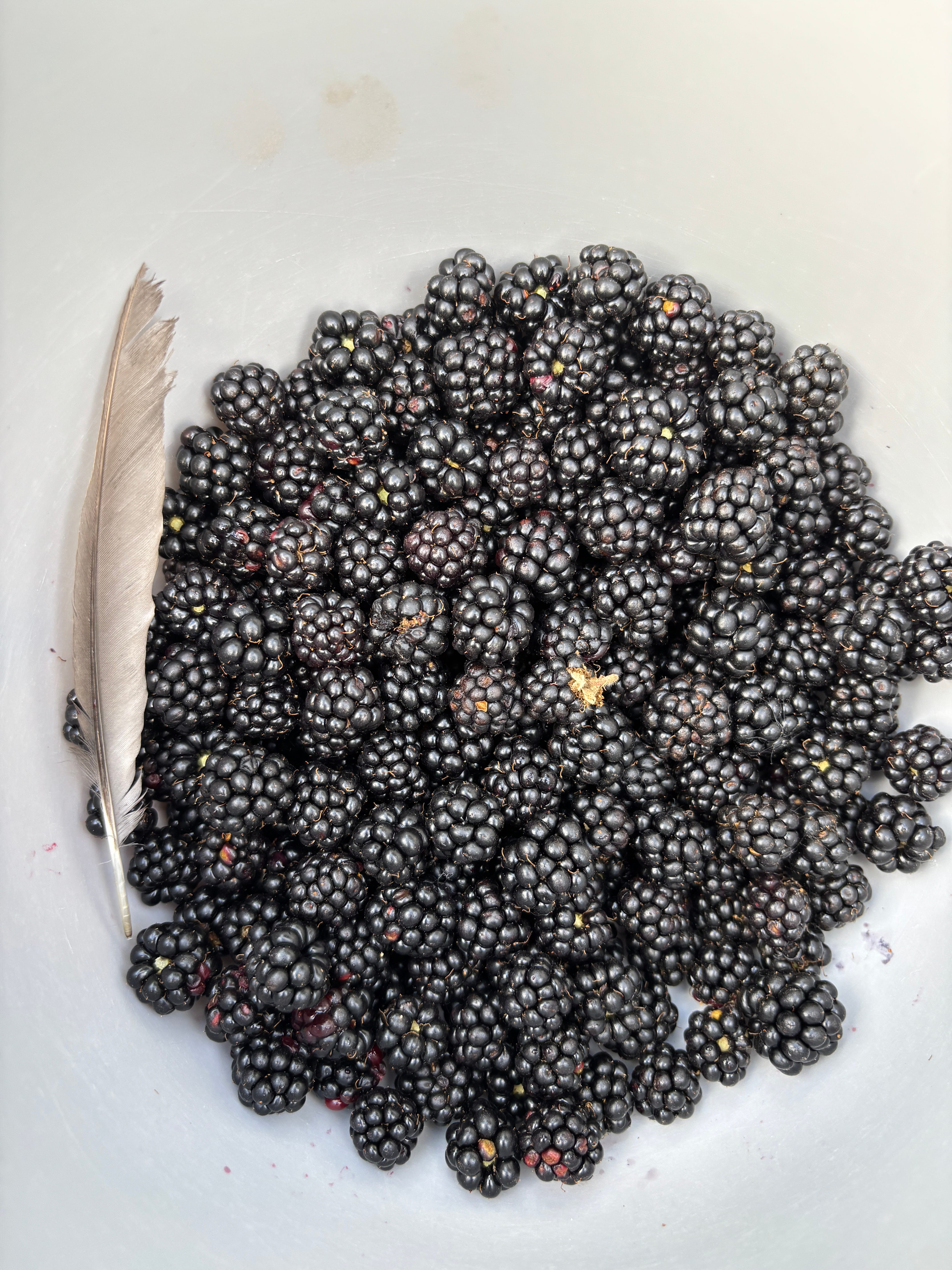
It is Sunday, I am blackberry picking. I do not see any, I did not expect to. But I notice them. I feel their presence even if they are not here. They have been here before me, both recently and hundreds of years ago. What I am feeling more and more is my own ability to notice things, to notice small changes, to notice with my eyes and my other senses. I sense something over my shoulder, but it is a feather in my peripheral view.
This morning I have been noticing them in the landscape. They have left a trace, like the blackberry ink on my hands. Feathers in hedgerows. Feathers on the side of the road. The occasional cooing above my head, a reminder that some are close by.
Pigeons.
How often do we take our ability to notice for granted, and how often do we forget to truly feel what is around us?
We grow greedy for the next thing or place, like my insatiable greed for hedgerow fruit, rather than taking the time to feel those around us and the ghosts in the landscape. I cannot help but think about the feathers that would have covered this landscape, birds spread out in abundance, cooing filling the fields that now lie deathly silent.
I keep noticing, and the noticing pulls my mind towards ferality. By feral I do not mean wild. I mean once within care, now outside permission. Once ours, now not. It is a word for what persists when infrastructures change, when attention moves on, when provision is withdrawn. The feathers in the hedge are one kind of trace. The empty doocots are another.
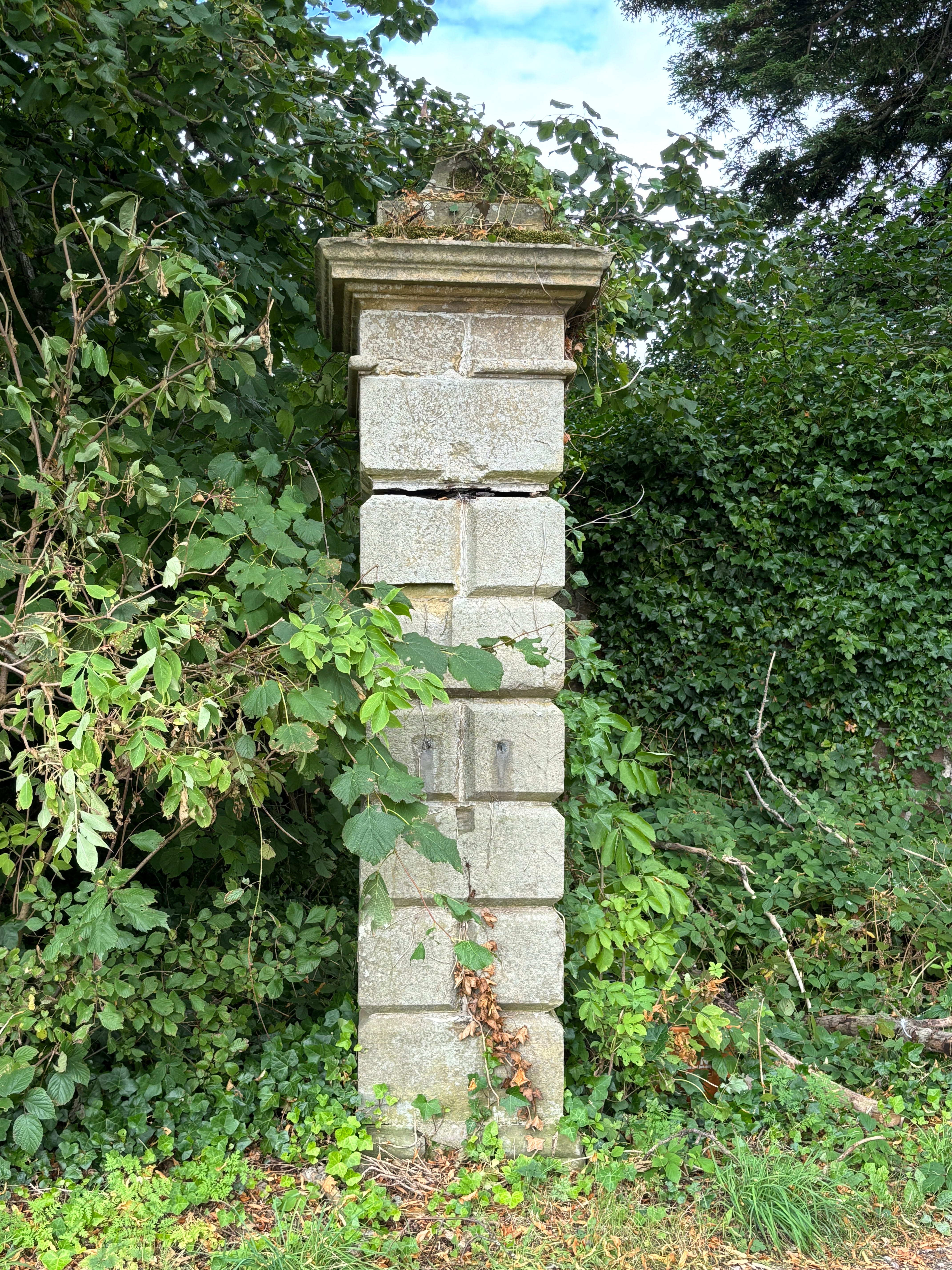
Ferality is said to live at the edges. I think it is around us all the time, and for some of us it might live within. It is worth acknowledging that feral, or ferality, is often used for the “escaped”, once domesticated and now beyond it. There is little here about the lack of choice. When flora or fauna has, in fact, been left uncared for and unconsidered, is it about escape, or is it about survival and resilience? While I am out I notice the feral in more and more, the blackberry bushes at the side of the towpath, the end of an estate wall grown over. In urban places this might look different, the pigeon that has learned the timings of a bin lorry. All have something in common, they are not tidy and it is not sentimental. It is a mode of survival that sits inside our systems but without an invitation. It is resourceful, quick to learn, sometimes inconvenient, and often misunderstood.
What does that say about us? As some of us start to “escape” the confines of our domestication, or our ways of living that feel wrong or not aligned with our values or morals, does that mean we too are becoming feral? What if we are left uncared for, unconsidered in the new systems, do we become the feral of the future?
I think about the doocots again. Built for birds, built for endurance, then left. The care that was designed into those spaces did not disappear, it shifted. It became knowledge in the bodies of the birds. Sun on stone, warmth in the dark, a high opening and details to keep rats out so that predators could not enter. Ferality is what remains of a relationship when the contract is no longer written down.
It helps to be clear about what ferality is not. It is not a villain story, and it is not a romance of untouched nature. It is not a licence for neglect. It is a recognition that life reorganises itself when we look away. Sometimes that reorganisation helps us. Sometimes it clashes with our plans. Often it simply reveals where our categories are too blunt.
Today, as I pick blackberries, ferality looks like small adjustments. If I translate that into design language, ferality becomes a question about what we build, who we build for, and what happens after the first use. Do our spaces allow for species that are not the target user? Do they offer refusal points where life can tuck itself away? Can we design for endurance and for drift, so that a place still works when the original script ends?
I keep thinking about Anna Tsing’s invitation to notice what survives in the ruins of modern projects, and how life reorganises around our infrastructures. I have been enjoying the Feral Atlas, and in fact its feral approach to content. It is really hard to see the start and the end. It is a beautiful online archive of interesting topics, images, essays and work to happen upon and uncover. They sit online as though they are not conforming, they are simply being. It feels as though they could spill out. Feral ecologies feel like that, not wilderness, but the lively aftermath of what we design. They are systems that persist without permission, made possible by our designs and our spillages. To call them feral is to admit that classification is a social choice as much as a biological one, and that care and neglect sit side by side in the same street.
It is tempting to say pigeons live in our world. But what if we live in theirs? The food loops, the ledge lines, the warm vents, the safe hours and risky ones, all of it sketches a city that is legible to pigeons first. We keep making structures with cavities and edges, then act surprised when someone else reads those spaces as habitat. Perhaps we are the background species here, the ones who pass through while the local experts get on with the work of staying alive. I am a fan of pigeons, I hope to see them in our cities and rural places forever. This project and this Substack is not about keeping them away or changing the way they live. I am excited, although I have no idea where it is going, to think about the feral pigeons of the future as much as the feral humans of the future. They are misunderstood, but I think to some degree we are too. We seek to pigeonhole, we seek to categorise like our ancestors did, but the modern world is all about spillages. Are we not spilling out? The chaos we feel, is that because we are no longer sitting in our doocots, happy to be fed?
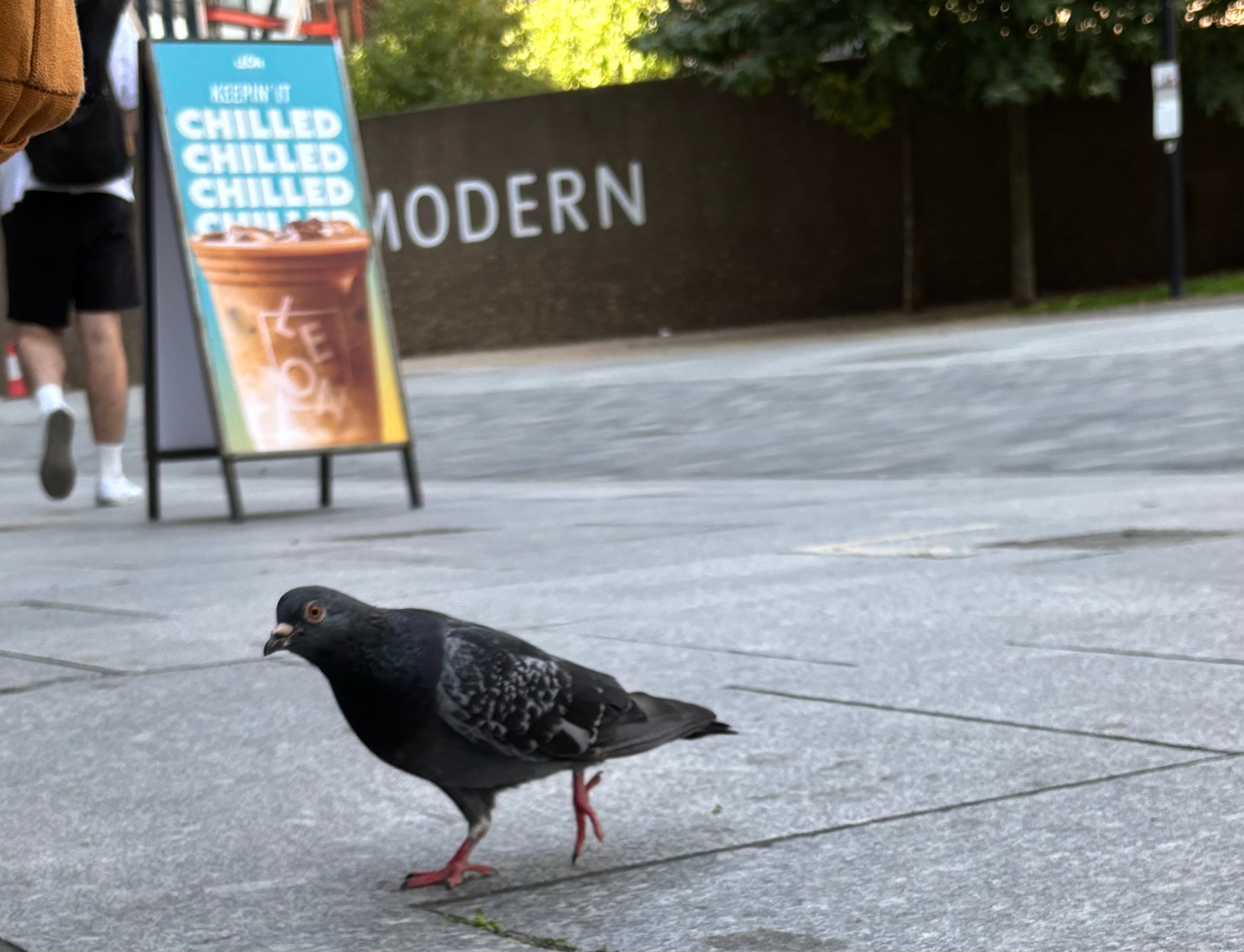
Which brings me back to the hedgerow and the quiet of Sunday. The feathers in the ditch, the faint cooing from a stand of trees, the empty doocot holding its cool air. These are the ghosts, the traces that remind me that ferality is not elsewhere, it is here. It sits in the blackberry stains on my hands and in the stone that still remembers sun and shelter. If I keep noticing, the map of who belongs begins to blur, and the landscape begins to speak in a different voice.
As has become usual with these posts, I do not have answers yet, and perhaps I never will. I am noticing, uncovering, and slowly exploring what the pigeon means for all of us, and for itself. It is heartening that more of you are joining this train of thought. Thank you for coming along with me.
G